All Categories
Featured
Metrics must be straight connected to goals. If the objective is to accelerate sales, determining the variety of meetings held makes little sense. Indicators ought to rationally reflect why improvement was introduced in the first place. Below, we will take a look at four classifications of metrics that must stay in focus. They do not operate in seclusion, but as a system revealing where real modification has currently occurred and where it has actually only simply started.

The number of systems through which a single transaction passes (the less, the better). These metrics show how close your operations are to an automated, quick, and scalable model.
Portion of repeat purchases or contract renewals. Number of support ask for typical issues (if it does not reduce, the modifications are not working). Time required to receive reportsNumber of incorporated data sourcesThe percentage of decisions made based on information rather than assumptions. This can be measured through group surveys.
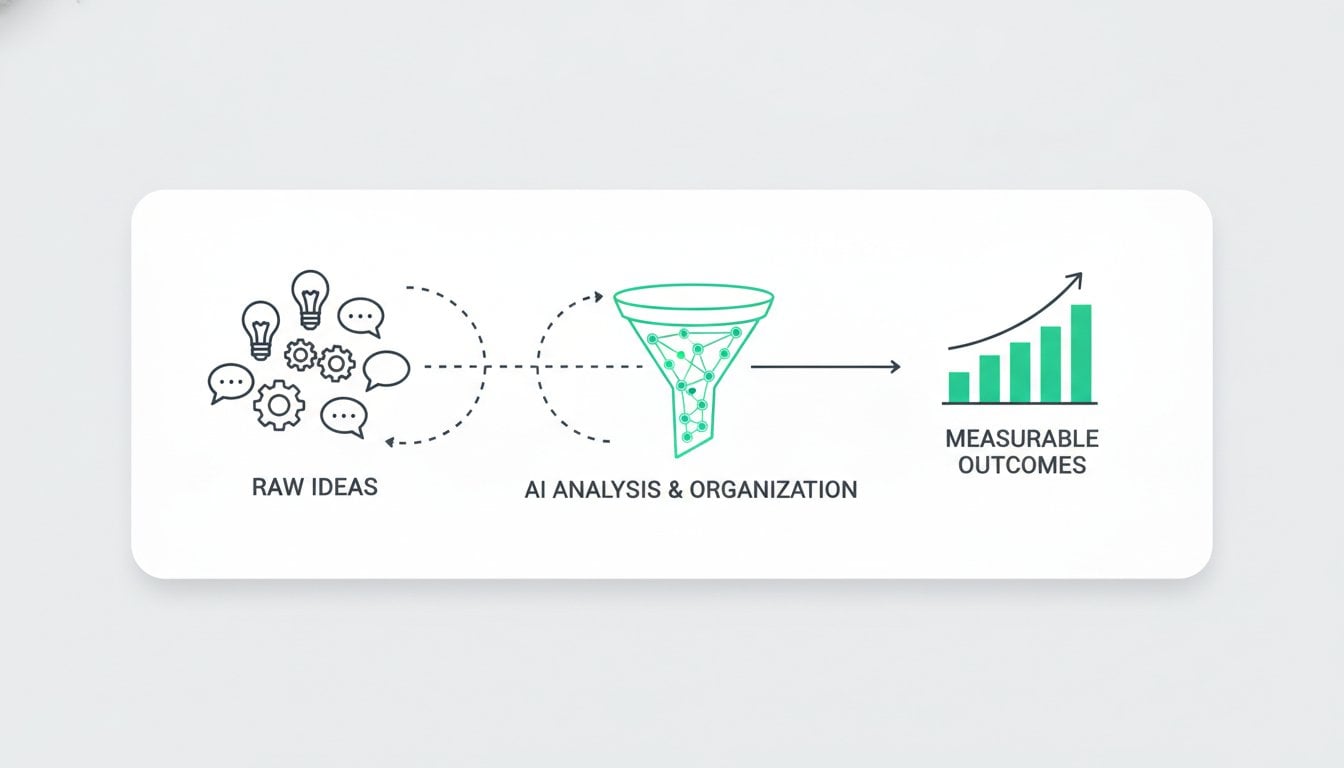
Successful change is when it ends up being clear what works best, where, and why. In practice, everything is always more complicated: budgets are limited, teams are overwhelmed, and technologies are not always easy to comprehend. That is why it is very important to look not only at theory, however also at genuine cases where companies from different industries managed to go through change and achieve measurable results.

Latest Posts
Maximizing ROI via Smart Digital Hubs
Analyzing Next Phase of Corporate Tech Transformation
Building Robust Enterprise Infrastructure for 2026